Wondering what really changes when you trade a city condo for a house in Livingston? The move can feel exciting, but it also comes with new routines, new costs, and a different kind of day-to-day living. If you are thinking about making that jump, this guide will help you understand what to expect in Livingston, from home style and lot size to commuting and upkeep. Let’s dive in.
Why Livingston Feels Different
Livingston is built for a more suburban way of life than most city condo markets. Census data shows an 88.9% owner-occupied housing rate, and Census Reporter shows that 92% of housing units are single-unit structures. That gives you a strong sense of what the housing stock looks like before you even tour a home.
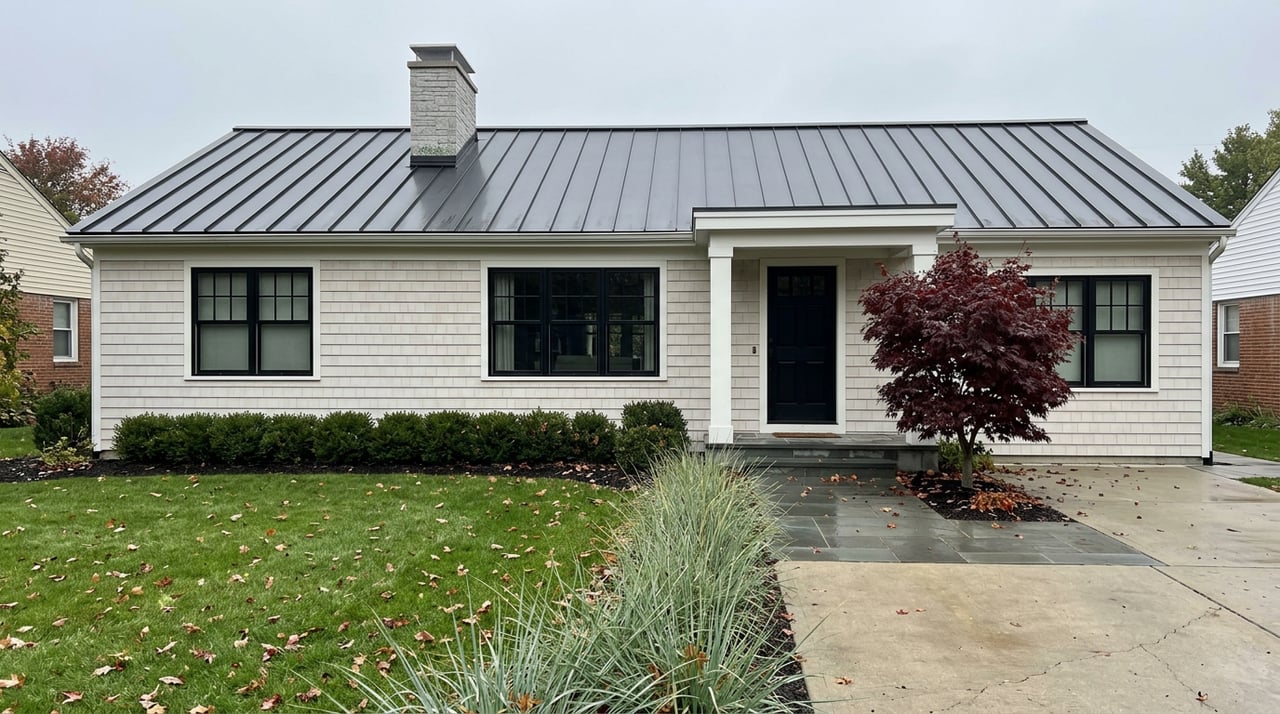
If you are coming from a condo, that usually means more private space and fewer shared building systems. Instead of a lobby, elevator, or front desk, you are more likely to have a driveway, yard, and exterior maintenance responsibilities of your own. Livingston’s history as a post-war commuting suburb also helps explain why the town feels set up for house living rather than dense urban living.
What a Livingston Colonial Usually Means
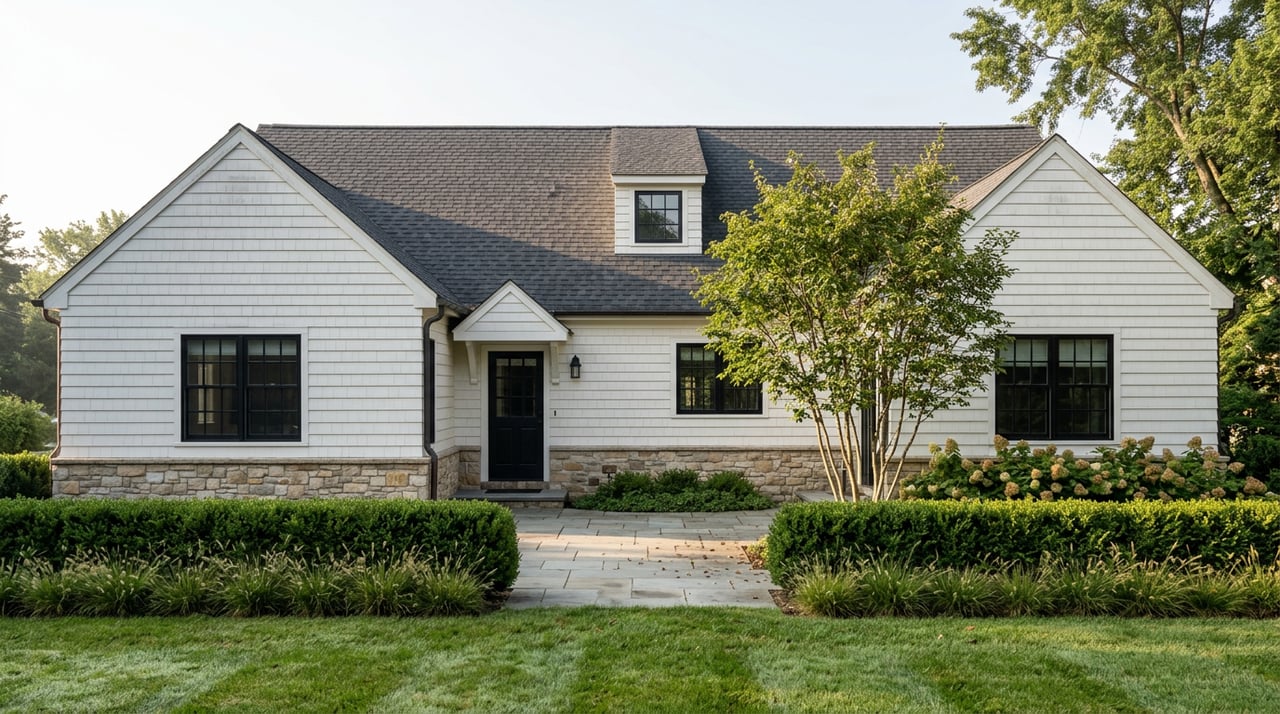
When buyers picture a Livingston colonial, they are usually thinking of a classic two-story home with a traditional layout. Colonial homes are often designed with main living areas on the first floor and bedrooms upstairs, often with a central staircase and a more defined room-by-room floor plan. That can feel very different from the open, vertical, shared-wall experience of condo living.
In Livingston, the style also feels locally familiar. Township historical materials describe early homes in the area as New England Colonial in form, which helps explain why the colonial remains such a recognizable home type in town today. For many buyers, that familiarity is part of the appeal.
Layout Changes to Expect
A colonial often changes how you use your space every day. Instead of everything being on one level, your living and sleeping spaces are separated. Some buyers love that privacy, while others need time to adjust to stairs and a more traditional floor plan.
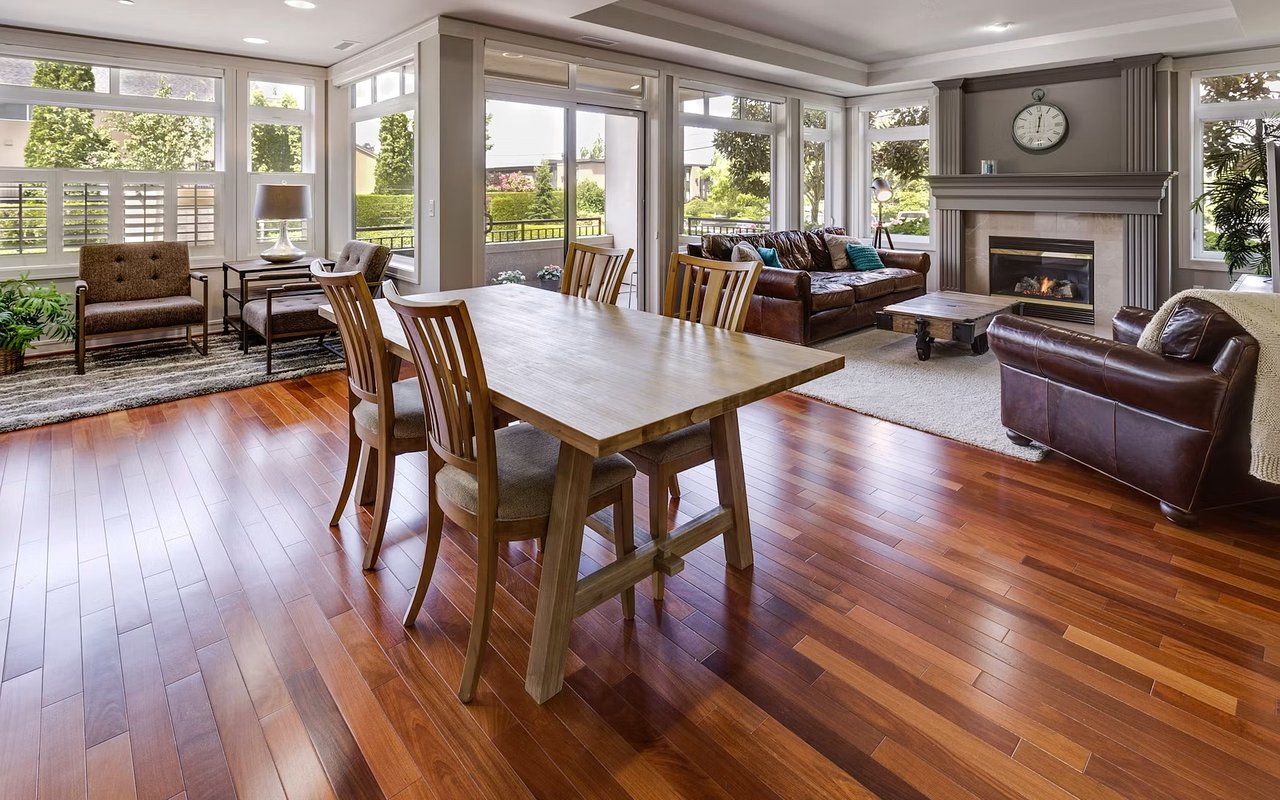
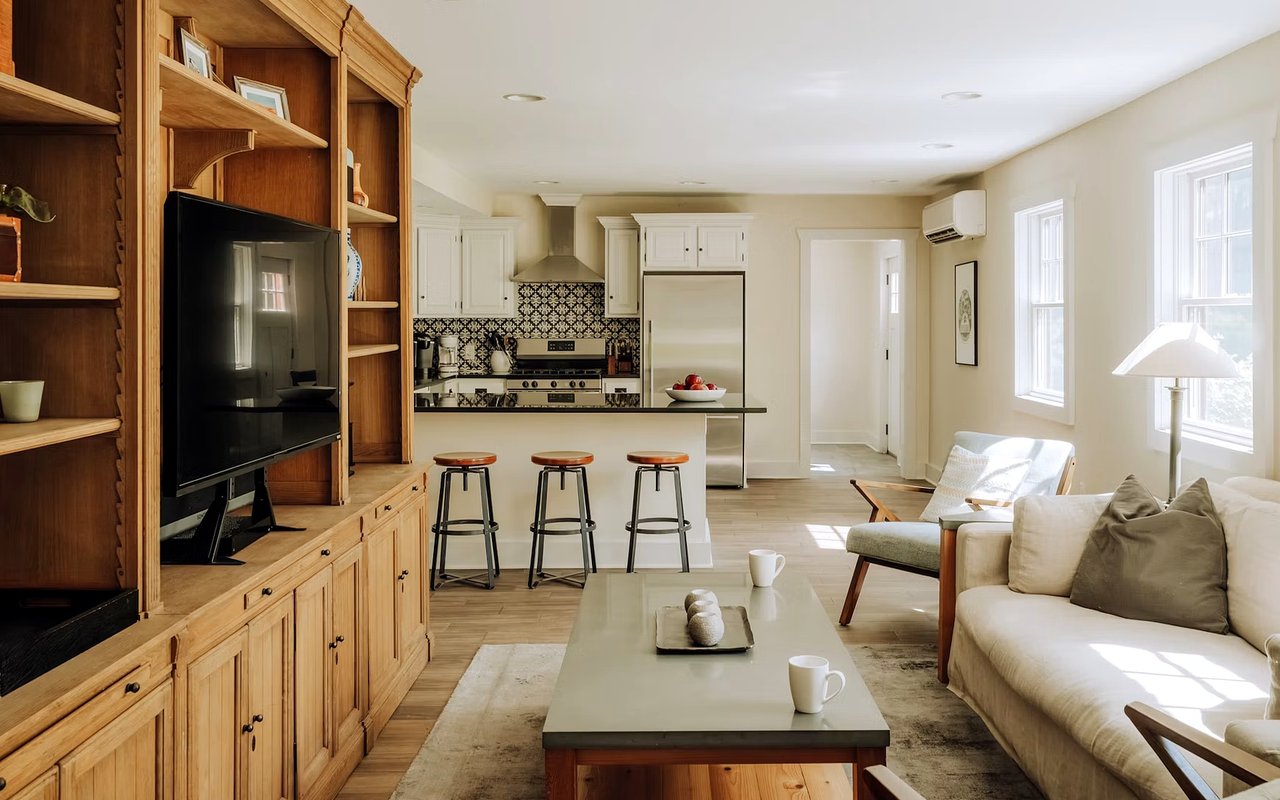
You may also find more clearly defined rooms for dining, entertaining, working, or relaxing. If you have been used to maximizing every square foot in a condo, this can feel like a major lifestyle upgrade. It can also mean more rooms to furnish, heat, cool, and maintain.
Lot Size Is a Big Shift
One of the clearest differences between condo life and Livingston house life is the amount of land around the home. Livingston zoning minimums range from 9,375 square feet in R-4 districts to 35,250 square feet in R-1 districts, with typical lot widths from 75 to 150 feet. While those figures do not describe every home for sale, they show why Livingston can feel much more spacious than a dense city neighborhood.
That extra space often translates into more privacy and more flexibility. You may have room for outdoor seating, a play area, landscaping, or future improvements. At the same time, more land means more upkeep, and that is one of the biggest mindset changes for condo buyers.
The Commute Usually Becomes More Connected
Livingston works well for many buyers who still need access to New York City or other parts of North Jersey, but the commute often looks different from city life. The township includes Route 10 and Route 280, and it is also close to Route 24, the Garden State Parkway, and the New Jersey Turnpike. If you are used to walking to transit, you may need to get more comfortable planning around driving.
Transit is still part of the picture, but it is usually not a one-seat ride. NJ Transit bus routes 70 and 73 serve the Livingston area, and the Livingston Express Shuttle connects the Livingston Mall to South Orange Train Station. From South Orange, rail service runs to New York Penn Station and Hoboken.
Why Hoboken Access Matters
For some buyers, Hoboken is a useful transfer point rather than the final destination. Hoboken Terminal serves NJ TRANSIT rail, buses, ferries, and PATH. If your work or social routine still takes you toward Hudson County or Lower Manhattan, that connection can be helpful when comparing Livingston to other suburban options.
The township shuttle schedule also notes that commuter parking at Livingston Mall is free in Section 18. Small details like that can make a connected commute feel more manageable once you settle into a new routine.
House Ownership Brings More Responsibility
The biggest change in moving from a condo to a colonial is not just square footage. It is responsibility. In a condo, many exterior and shared-area issues are handled through building management or an association. In a single-family home, more of that responsibility shifts directly to you.
That includes budgeting for taxes, insurance, utilities, maintenance, and repairs. It also means planning for the unexpected, whether that is a leaking pipe, a worn roof, or seasonal outdoor maintenance. If you are used to monthly condo fees covering some of those items, the shift can feel significant.
Exterior Projects Often Need Permits
Livingston also requires zoning permits for many common residential projects. That includes fences, decks, raised patios, pools, hot tubs, retaining walls, sheds, additions, remodeling, and new homes. If you are buying with renovation plans in mind, it is smart to understand those requirements early.
For condo buyers, this can be one of the most practical differences in ownership. In a city building, exterior decisions are often off your plate. In Livingston, you may have more freedom to improve your property, but you also need to navigate local requirements.
Daily Life Looks More Home-Centered
A move to Livingston often changes your routine in subtle but important ways. Township planning materials note that on-street parking is rarely used on residential streets because most homes have a garage and a driveway of adequate length. That points to a lifestyle centered more on private property than shared urban infrastructure.
You may spend less time coordinating around building rules and more time managing your own home systems, outdoor spaces, and storage. For many buyers, that tradeoff is worth it because it comes with more breathing room and greater day-to-day privacy.
Lifestyle Amenities Shape the Experience
Livingston’s suburban pattern is also reflected in its public amenities. Township recreation resources include community pools, tennis and pickleball courts, fields, and other facilities. These features help support a more outdoor-oriented local routine.
Livingston Public Schools reports that the district serves about 6,000 students across six elementary schools, two middle schools, and one high school. For many buyers, that is part of the broader appeal of the move. Even if your main goal is more space, your daily experience may also shift toward a more community-based and activity-based schedule.
How to Plan the Move Well
If you are moving from a condo to a Livingston colonial, it helps to think beyond bedrooms and bathrooms. The right home is also about how you want to live once you get there. A strong plan usually starts with a few practical questions.
Ask Yourself These Questions
- Do you want a traditional colonial layout, or do you prefer a more updated flow?
- How much lot size and outdoor maintenance feels comfortable for you?
- Will you drive most days, or do you need a transit-connected routine?
- Are you looking for move-in-ready condition, or are you open to updates?
- Do you want to make exterior improvements after closing that may require permits?
These questions can help you narrow your search in a way that fits both your lifestyle and your budget. They can also help you avoid falling in love with a house that looks right on paper but does not support how you actually live.
Why Guidance Matters in This Transition
Moving from a condo to a house is not just a bigger purchase. It is a different ownership model. You are weighing layout, land, commuting patterns, maintenance responsibilities, and long-term flexibility all at once.
That is where a local, design-aware team can make a real difference. If you want help identifying move-in-ready options, evaluating renovation potential, or making sense of how a Livingston colonial compares to city condo life, the right guidance can make the process feel much more focused and less overwhelming.
If you are planning your next move in Livingston or anywhere across Northern New Jersey, the Michelle Pais Group offers a polished, high-touch approach with curated buyer guidance and renovation-minded insight.
FAQs
What is a Livingston colonial home like for a former condo owner?
- A Livingston colonial is usually a two-story home with main living areas on the first floor and bedrooms upstairs, which often feels more traditional and spacious than condo living.
How large are residential lots in Livingston?
- Livingston zoning minimums range from 9,375 square feet to 35,250 square feet depending on the district, which helps explain the town’s more spacious suburban feel.
How do Livingston commuters get to New York City or Hoboken?
- Buyers often use a connected commute through NJ Transit bus service or the Livingston Express Shuttle to South Orange Train Station, where trains run to New York Penn Station and Hoboken.
What home projects in Livingston need permits?
- Livingston requires zoning permits for many common projects, including fences, decks, raised patios, pools, hot tubs, retaining walls, sheds, additions, remodeling, and new homes.
What costs should condo buyers expect when moving to a Livingston house?
- You should plan for taxes, insurance, utilities, maintenance, and repairs, since those costs become a more direct part of single-family home ownership.