By Michelle Pais Group
Selling a home is one of the most significant financial decisions most people make in their lifetime. In New Jersey, the process comes with its own set of rules, timelines, and market dynamics. Understanding how to sell your house in New Jersey means knowing what separates a smooth transaction from a stressful one.
From North Jersey's commuter markets to the Shore communities of Monmouth County, the right preparation makes all the difference.
Key Takeaways
- Home preparation: The condition and presentation of your home directly affect how quickly it sells and at what price.
- Pricing strategy: An accurate list price based on local comparable sales is one of the most important decisions in the selling process.
- Attorney review: New Jersey law gives both parties a three-business-day window to review or cancel a purchase contract after signing.
- Closing costs: New Jersey home sellers should anticipate transfer taxes, agent commissions, and attorney fees as part of their net proceeds calculation.
Preparing Your Home for the Market
New Jersey's housing stock spans everything from Cape May Victorians to Bergen County colonials, and every home benefits from thoughtful preparation before listing.
Steps That Make the Biggest Difference
- Declutter and deep clean: A clean, uncluttered space photographs better and feels larger to anyone walking through the home.
- Address deferred maintenance: Leaky faucets, cracked caulk, and scuffed trim are easy fixes that signal care and attention to detail.
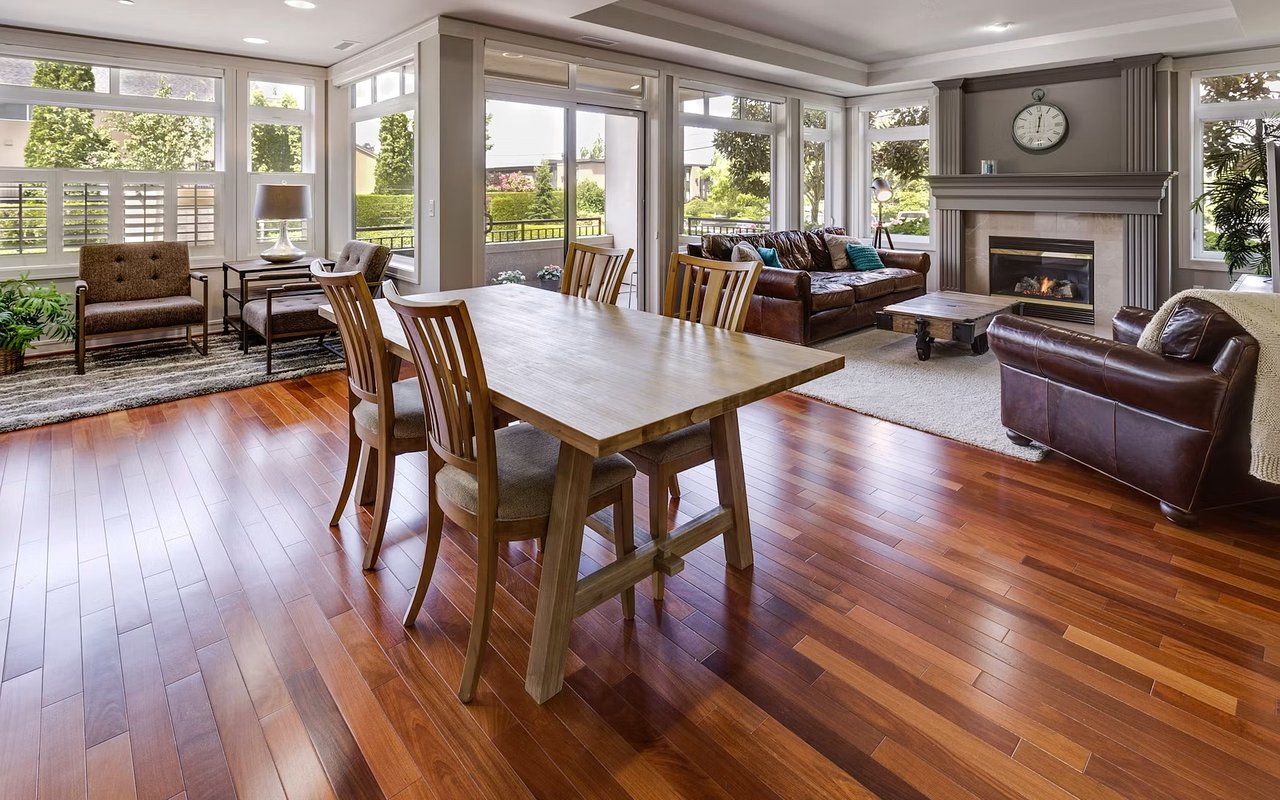
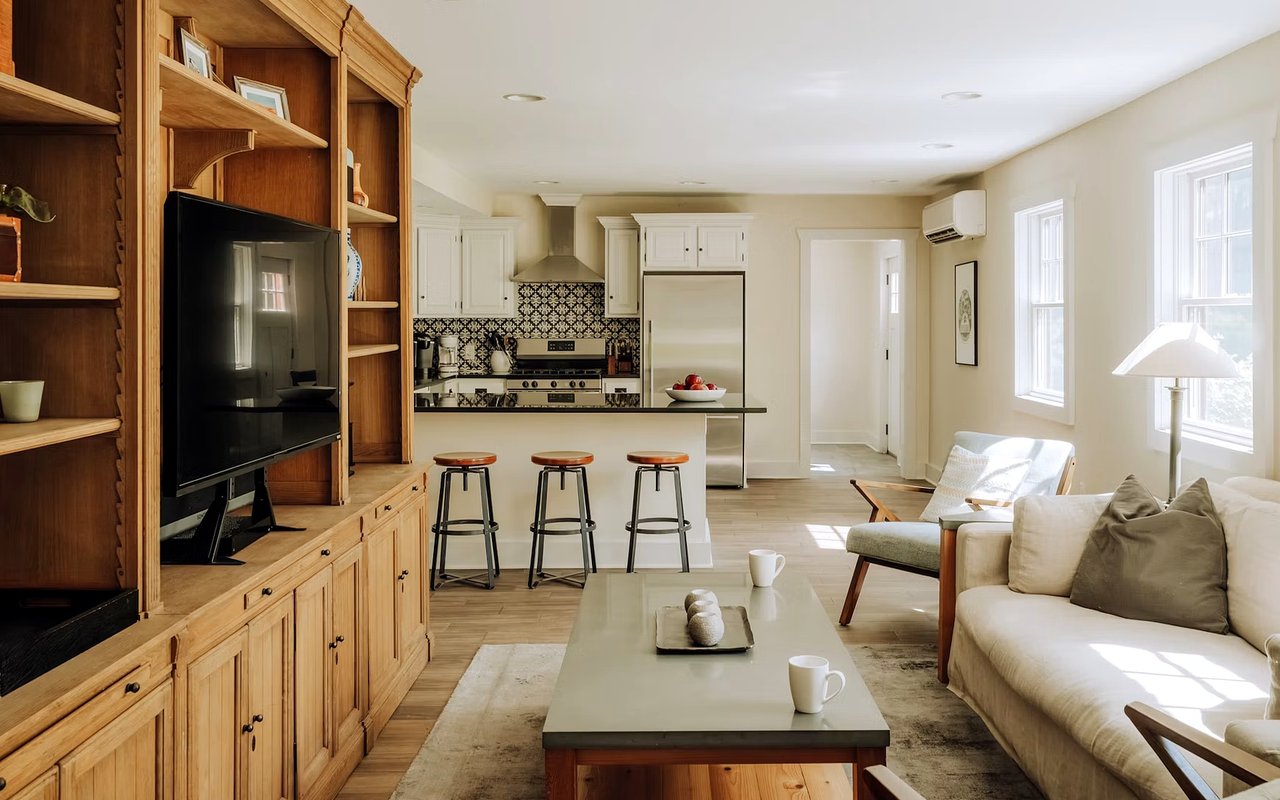
- Staging and photography: Professional photos and light staging are standard expectations in the New Jersey market and directly affect how a listing performs online.
In a market as competitive as New Jersey, preparation is not optional — it is expected. Homes that show well consistently attract more attention and better offers from the start.
Pricing Your Home Strategically
Setting the right list price is one of the most consequential decisions in the selling process.
How Pricing Affects Your Sale
- Comparative market analysis: A CMA pulls recent sales data from your specific town and neighborhood to arrive at a realistic, defensible list price.
- Overpricing risks: Homes priced above market tend to sit, and listings that accumulate days on market often close below what a well-priced home would have achieved.
- Seasonal timing: Spring is the most active selling season in most of New Jersey, particularly in suburbs like Montclair and Summit where demand peaks between March and June.
A list price that reflects true market value tends to generate faster activity and a cleaner path to closing. We review comparable sales and current inventory levels before recommending a number for every property we list.
New Jersey's Attorney Review Process
New Jersey is one of a small number of states that requires attorney involvement in residential real estate transactions.
What the Attorney Review Period Covers
- Three-business-day window: Once the contract is executed, both parties have three business days in which their attorneys can review the terms and propose changes.
- Common modifications: Attorneys often negotiate inspection contingency language, closing timelines, and inclusions or exclusions during attorney review.
- Choosing an attorney: Many people retain attorneys who specialize in their specific county, as local practice standards can vary between places like Middlesex County and Morris County.
After a purchase contract is signed, both parties have a three-business-day window to review, modify, or cancel the agreement.
Closing Costs and Final Steps in New Jersey
Selling a home in New Jersey involves several costs that can affect your net proceeds significantly.
Costs to Factor Into Your Net Proceeds
- Transfer tax: New Jersey imposes a realty transfer fee on property sales, calculated on a tiered basis based on the sale price — your attorney provides an exact figure at closing.
- Agent commission: Commission is negotiated at listing and comes out of proceeds at closing — understanding this figure upfront is essential to calculating your net.
- Certificate of occupancy: Some New Jersey municipalities require a certificate of occupancy or smoke and CO detector certification before a sale can close — your agent confirms what applies in your specific town.
These costs are manageable when they are understood early in the process.
FAQs
How long does it take to sell a house in New Jersey?
Timelines vary by market, price point, and season. In high-demand areas like Bergen County or along the Monmouth County shore, well-priced homes can go under contract within days during peak season.
Do we need to make repairs before listing?
The answer depends on the property and the market. Minor cosmetic updates tend to offer the best return and can speed up the sale, while major repairs depend on pricing strategy and local market conditions.
What is the attorney review period in New Jersey?
Attorney review is a three-business-day window that begins once both parties sign the purchase agreement. During this period, either side's attorney can accept the contract as written, propose modifications, or cancel it entirely.
Contact Michelle Pais Group Today
Every market is different, and we bring the local knowledge and hands-on support that make a measurable difference in how a sale comes together.
If you are thinking about selling your home in New Jersey, we would like to be your first call. Reach out to Michelle Pais Group today and let's talk through your goals, your timeline, and what your home could achieve in today's market.