If you have been watching Union County home prices and wondering where you can still find strong suburban value, Clark deserves a closer look. You may not see it mentioned with the same frequency as some nearby towns, but the numbers tell a clear story. For many buyers, Clark offers a lower entry point, a detached-home housing stock, and useful commuter access in one compact market. Let’s take a closer look at why Clark stands out.
Clark offers a meaningful price gap
Clark’s value story starts with price. Zillow’s April 2026 home value index places Clark at $713,902, compared with $764,302 in Cranford and $1,269,853 in Westfield. That puts Clark about $50,400 below Cranford and $555,951 below Westfield.
Median list prices point in the same direction. Clark sits at $673,333, while Cranford is at $802,333 and Westfield is at $1,157,793. If you want a Union County location with a lower price point than some nearby, higher-profile markets, Clark can make a strong case.
Clark’s value is about relative affordability
Clark is not a bargain-basement market, and that is important to understand. This is a stable Union County suburb with an estimated 16,277 residents in 2024, an owner-occupied housing rate of 76.6%, and a median household income of $133,504. In other words, buyers are not choosing Clark because it is cheap. They are choosing it because it can offer more value relative to nearby markets.
That distinction matters when you set expectations. In Clark, value often means getting into a mature suburban setting at a lower cost than in Westfield and at a modest discount to Cranford, rather than finding dramatic underpricing.
Housing stock shapes the buyer opportunity
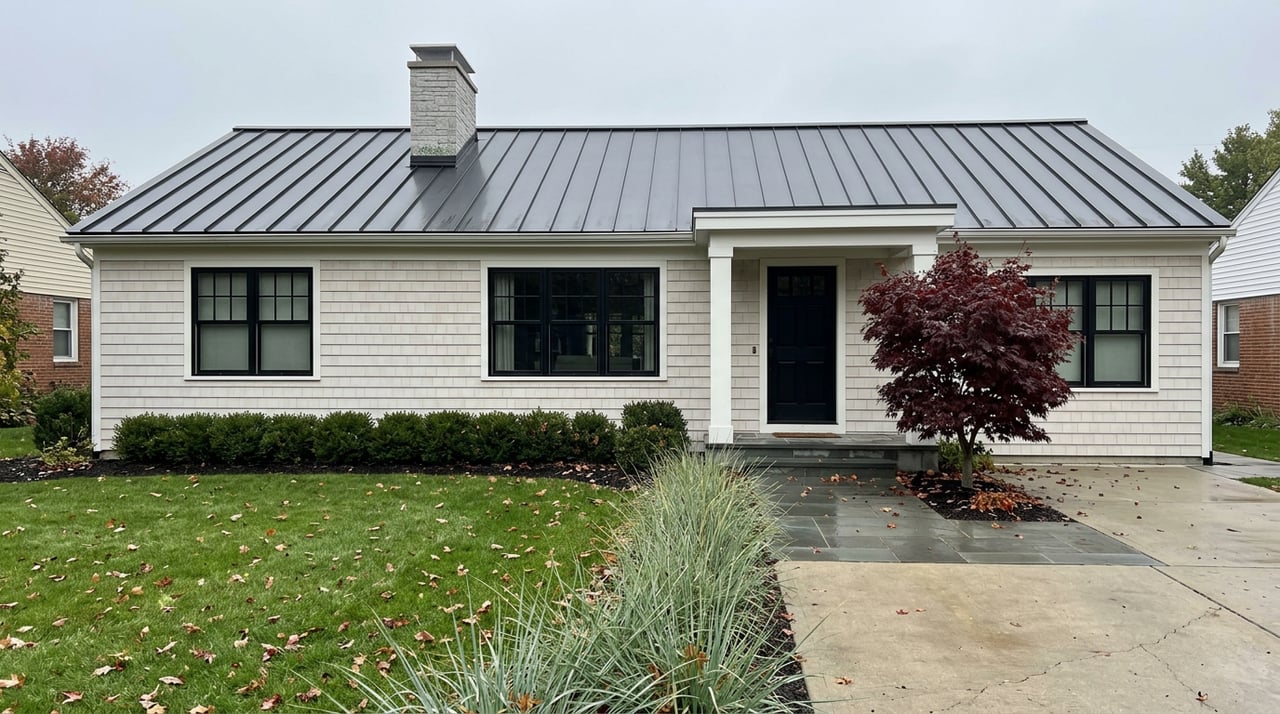
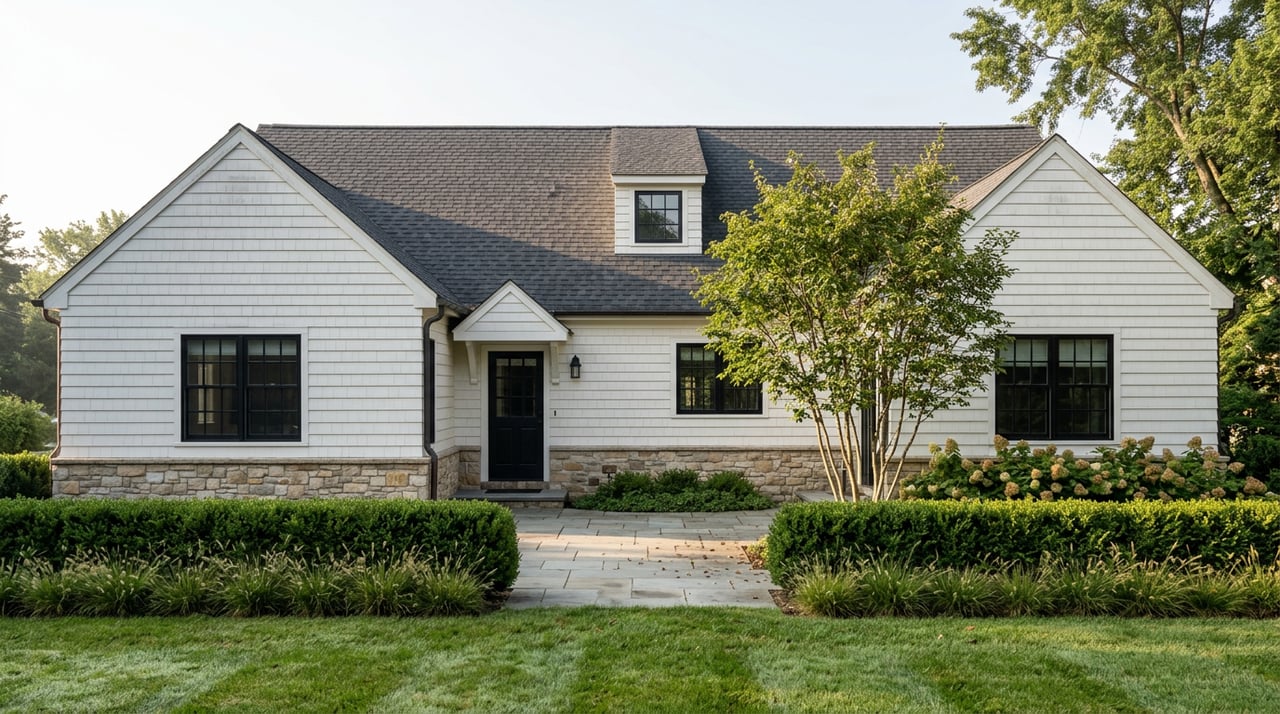
Clark’s housing mix is one of the biggest reasons buyers see potential here. The township’s housing element shows that 76.4% of housing units were one-detached homes in the 2015 ACS update, following an earlier profile that showed 80.3% single-family detached housing. The town’s 2023 master plan reexamination also continues to describe Clark as a stable, single-family suburban community.
For you as a buyer, that means the market is still largely defined by detached homes rather than large amounts of new multifamily inventory. If that is the kind of setting you want, Clark aligns well with that goal.
Most homes come from the postwar era
Clark is also shaped by the age of its homes. According to the township housing element, 48.2% of units were built from 1940 to 1959, and 31.2% were built from 1960 to 1969. Only a small share of homes were built after 1990.
That gives you a fairly specific kind of buying landscape. Clark is generally not a new-construction town. Instead, you are more likely to compare homes that are fully updated, homes with renovation potential, and occasional attached or townhouse-style options.
Renovation upside can be part of the value
Because so much of the housing stock dates to the postwar period, condition matters a lot. Some buyers are drawn to turnkey homes that have already been modernized, while others see opportunity in homes that need cosmetic updates. In a built-out town like Clark, that kind of upside can be one of the clearest ways to create value over time.
For buyers who want guidance on potential before and after value, this is where a team with design perspective and renovation insight can be especially helpful. A polished home often commands attention, but a well-located home with the right improvement path can also be a smart long-term move.
Clark is a built-out town with a stable feel
Clark’s official history says the township is about 98% occupied land. The 2023 master plan reexamination notes that the town aims to maintain its high-quality, single-family suburban character with limited planned redevelopment.
That matters because the town’s appeal is not based on rapid change. Instead, Clark offers a more established environment where the housing pattern is already largely in place. For many buyers, that stability is part of the draw.
Limited redevelopment can support consistency
In some towns, large redevelopment pipelines can reshape the market quickly. Clark’s planning direction is more measured. That can appeal to buyers who prefer a mature suburban layout and want to understand the character of the community as it exists today.
It also reinforces why Clark’s value tends to show up in the details. Since the town is mostly built out, opportunities are often tied to the specific home, its condition, and its location within the township rather than major waves of new inventory.
Commuter access adds practical value
For many buyers, value is not just about the purchase price. It is also about how the town works with your daily routine. Clark offers two notable commuter options that strengthen its appeal.
NJ Transit’s Route 112, labeled Clark - New York, includes Clark stops such as Lake Ave. at Schwinn Dr. and Terminal Ave., with service to the Port Authority Bus Terminal. For rail, nearby Rahway Station serves the Northeast Corridor and North Jersey Coast lines, and NJ Transit lists parking, Wi-Fi, bike parking, and accessibility features there.
Road access remains part of Clark’s appeal
Clark’s transportation story also includes strong road connectivity. The township history notes that what is now the Garden State Parkway cut the town in half and helped drive postwar development. That legacy still matters today.
For buyers who want highway-oriented convenience, Clark can check an important box. When you combine that access with home values that run below Westfield and Cranford, it becomes easier to see why buyers often view Clark as a practical value play.
Local amenities support everyday living
A smart value market is not only about the homes themselves. It is also about what supports your day-to-day life once you move in. Clark’s planning documents show continued investment in key commercial areas.
The former US Gypsum site was redeveloped into Clark Commons, which the 2023 reexamination describes as a retail center with Whole Foods Market, HomeGoods, LA Fitness, Ulta Beauty, plus other shops and restaurants. The same report says the Terminal Avenue area has little to no vacancy, includes many nonresidential uses, and has seen reinvestment including L’Oréal’s expanded research, laboratory, and office presence.
Convenience can matter as much as prestige
Sometimes a market’s strongest selling point is not flash. It is functionality. In Clark, that can mean easy access to shopping, services, commuter routes, and a mostly detached-home environment, all at a lower price point than some nearby alternatives.
For many buyers, that balance is exactly the point. You are not just buying a house. You are buying convenience, stability, and room to make a smart decision within your budget.
Where buyers may find hidden value
In Clark, hidden value is usually not about finding an overlooked luxury market at a steep discount. It is more often about reading the nuances of the inventory well. Based on Clark’s older housing stock, built-out land base, and limited redevelopment pattern, opportunities may show up in a few specific ways.
You may find value in:
- Older detached homes on quieter interior streets
- Homes that need cosmetic updating rather than major reconstruction
- Properties that trade some prestige for commuting convenience
- Updated homes priced below nearby town comparisons
This is why local guidance matters. In a market like Clark, the smartest buy is often the home where price, condition, and location line up in a way that supports both your lifestyle and your future resale potential.
Why Clark appeals to today’s buyer
Clark appeals to buyers who want a suburban setting with mostly detached homes, useful commuter access, and a more favorable entry point than some neighboring towns. It offers a mature housing stock and a stable development pattern, which can create a market with fewer surprises and more clarity.
If you are comparing towns in Union County, Clark is worth serious attention. The numbers suggest it is not the least expensive option in the region, but it may be one of the more compelling value choices for buyers who care about housing type, location, and everyday convenience.
If you want help identifying the right fit in Clark, from turnkey homes to properties with renovation upside, the Michelle Pais Group can help you navigate the market with a polished, strategic approach.
FAQs
Why do buyers see Clark NJ real estate as a smart value?
- Buyers often see Clark as a smart value because home values and list prices run below nearby towns like Cranford and Westfield, while still offering a stable suburban setting with mostly detached homes.
What kind of homes are common in Clark NJ?
- Clark’s housing stock is dominated by detached homes, with most properties built between the 1940s and 1960s and a smaller share of newer housing.
Is Clark NJ a new-construction market?
- No. Clark is a mostly built-out township, and the housing stock is primarily older, postwar homes rather than large amounts of brand-new construction.
What commuter options do Clark NJ buyers have?
- Buyers in Clark can use NJ Transit Route 112 bus service to the Port Authority Bus Terminal, and they can also access nearby Rahway Station for rail service on the Northeast Corridor and North Jersey Coast lines.
Where does hidden value tend to show up in Clark NJ homes?
- Hidden value in Clark often shows up in older detached homes, homes with cosmetic update potential, and properties that offer strong convenience relative to price.
What makes Clark different from nearby Union County towns?
- Clark stands out for offering a lower entry point than Westfield and a modest discount to Cranford, along with a mature, mostly single-family housing pattern and practical commuter access.