By The Michelle Pais Group
There’s a reason so many buyers fall in love with historic homes. The charm, the craftsmanship, the unique architecture—these aren’t things you can replicate in new construction. We’ve helped many clients explore historic districts across New Jersey, and we know just how special these homes can be. But owning a piece of history also means understanding the responsibilities that come with it. If you’re eyeing a home in a historic neighborhood, we’ll help you weigh the beauty, the benefits, and the rules before you make your move.
Key Takeaways
- Historic homes offer timeless charm, character, and resale appeal
- Preservation rules may affect renovations and exterior changes
- Maintenance requires planning, especially with original materials
- Not all older homes are subject to formal historic district oversight
The Lasting Appeal of Historic Homes
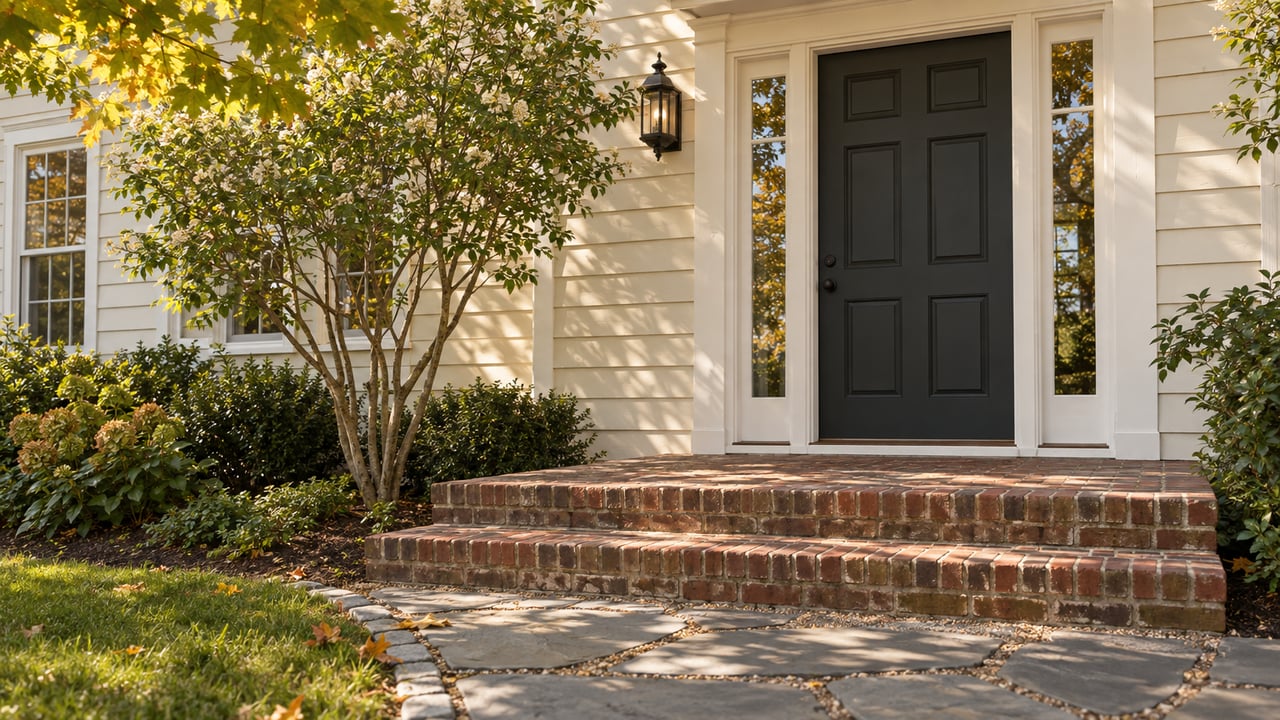
Historic homes tell a story—from their unique architecture to their handcrafted finishes. In a world of builder-grade homes, historic properties offer one-of-a-kind features and a deep sense of place. For many of our clients, that’s the draw: owning a home with soul.
Why Buyers Are Drawn to Historic Homes
- Timeless Architecture: Many historic homes feature stonework, millwork, and proportions rarely found in modern builds
- Unique Details: Arched doorways, built-ins, transom windows, and original fireplaces often remain intact
- Neighborhood Character: Historic districts tend to offer mature trees, walkable streets, and visual continuity
- Pride of Ownership: These homes often hold their value due to how well they’ve been cared for
- Resale Appeal: Distinctive homes in desirable locations frequently attract strong buyer interest
When maintained thoughtfully, historic homes become part of a community’s visual and cultural legacy—which can make them deeply rewarding to own.
Understand the District Before You Buy
Not every older home falls within a designated historic district. And even among those that do, local rules and oversight vary. We guide our clients through confirming whether a home is officially protected and what that means for future renovations or repairs.
What You Need to Know About Designated Historic Districts
- Exterior Changes May Be Regulated: Siding, windows, roofs, and paint colors could require approval
- Architectural Consistency Matters: Additions or updates often need to align with the home’s original style
- Permit Review May Be Extended: Some towns require additional steps for approval
- Interior Work Is Usually Flexible: Most designations apply to exterior elements only
- Not All Old Homes Are Restricted: A home may be historic in style but not subject to preservation rules
We help buyers get clear answers early, so they know what’s allowed and where flexibility exists.
Plan for Thoughtful Maintenance
Historic homes were built to last—but they weren’t built with modern systems. Many of the materials and methods used during original construction require special handling today. That doesn’t mean you can’t upgrade—it just means you need to plan wisely.
Key Maintenance Considerations for Older Homes
- Original Materials May Require Special Care: Plaster walls, wood windows, or slate roofs often need specific expertise
- Major Systems Could Be Dated: Older electrical, plumbing, or heating systems may need replacement
- Restoration Takes Precision: Repairs are more complex than in newer homes and may cost more
- Energy Efficiency May Vary: Original windows and insulation require attention if comfort is a priority
- Lead and Asbestos Are Possible: Professional testing is recommended before renovations
We work closely with inspectors and contractors who specialize in older homes, so our buyers know what to expect before they buy.
Renovating with Character—and Compliance
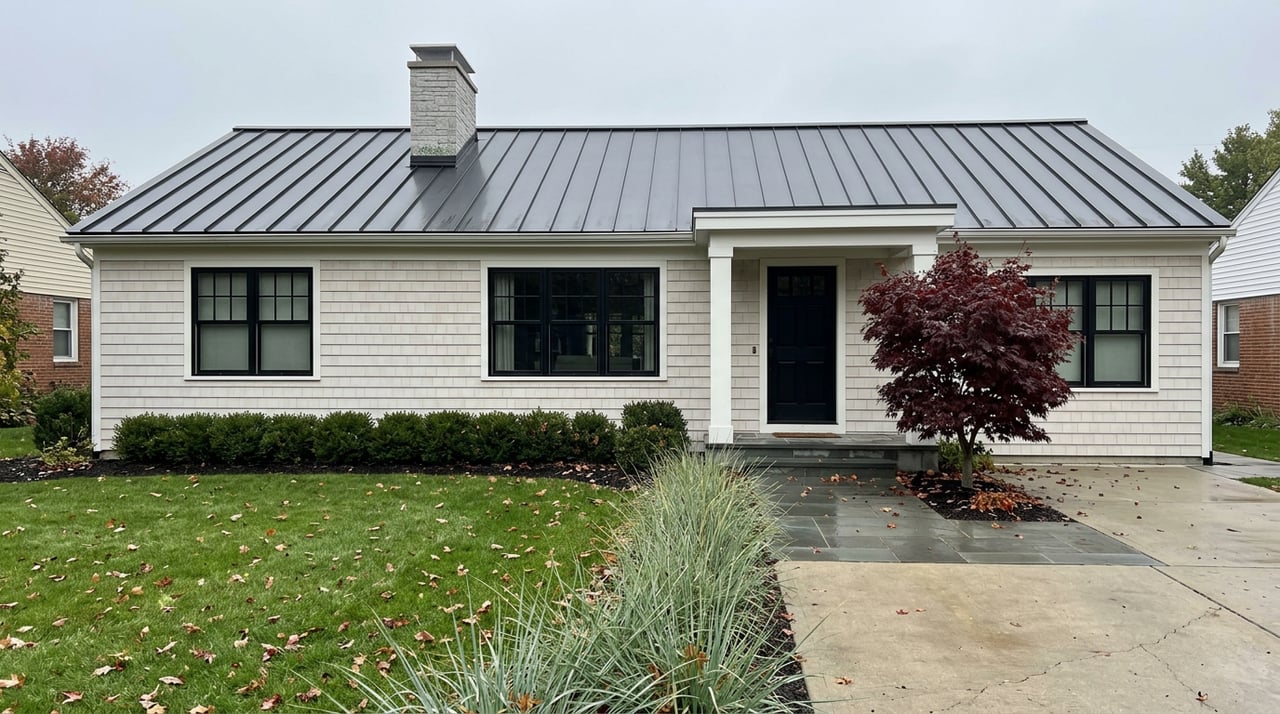
Many buyers want to blend historic charm with modern functionality. That’s not only possible—it’s one of the most rewarding parts of ownership. The key is knowing how to update without losing what makes the home special.
How to Approach Renovation in a Historic District
- Honor the Architecture: Renovations should complement—not erase—the home’s defining features
- Use the Right Materials: Matching the original aesthetic improves both value and approval chances
- Follow the Process: In designated areas, permits may need extra steps or review
- Focus on Livability: Kitchens, bathrooms, and mechanical systems can often be modernized with minimal visual impact
- Avoid Unpermitted Work: Unauthorized changes can lead to fines or even resale complications
We guide clients through each step, including checking municipal rules, before a project begins.
Long-Term Value and Investment Potential
Historic homes aren’t just beautiful—they’re often smart long-term investments. When properly maintained and located in desirable areas, these homes can outperform newer builds in terms of resale appeal. They attract a specific type of buyer, and that demand can make a real difference over time.
The Value Advantage of Historic Homes
- Limited Inventory: Unique properties stand out in any market
- Architectural Appreciation: Character-rich homes often draw premium buyers
- Established Neighborhoods: Historic districts tend to offer location advantages
- Visual Identity: A home with curb appeal and provenance can create instant buyer interest
- Market Resilience: These homes often sell steadily, even in slower conditions
Of course, the value depends on condition, location, and compliance with local preservation guidelines—but well-maintained historic homes often command lasting respect in the marketplace.
FAQs
Are Historic Homes More Expensive to Maintain?
They can be, depending on condition and age. Repairs may cost more due to specialty materials or custom work, but many buyers feel the payoff is worth it.
Can I Add Modern Features Like Central Air or EV Charging?
Yes, many owners modernize discreetly. Interior updates are typically unrestricted, even in formal districts—so long as they don’t alter the exterior character.
How Do I Know If a Home Is in a Historic District?
We help you confirm through municipal records, zoning maps, and direct inquiry with the town’s preservation board if needed.
Contact Us Today
Buying a home in a historic district is a decision that blends passion with planning—and we’re here to help you strike the right balance. We’ll guide you through the research, connect you with the right experts, and help you evaluate both the charm and the practicalities of ownership.
Reach out to us at The Michelle Pais Group, and let’s explore the historic homes that speak to your style. Whether you’re drawn to early 20th-century craftsmanship or just want something with personality and potential, we’ll help you find a home that honors the past and supports your future.
Reach out to us at The Michelle Pais Group, and let’s explore the historic homes that speak to your style. Whether you’re drawn to early 20th-century craftsmanship or just want something with personality and potential, we’ll help you find a home that honors the past and supports your future.